
Mastering Suction Force in MSLA Printing

Updated: May 8
What is Suction Force?
When a layer of resin is cured against the FEP (or PFA) film at the bottom of your vat, it forms a temporary, high-strength vacuum bond. To move to the next layer, your printer’s build plate must "peel" the cured part away from the film.
This process creates a massive amount of stress:
Adhesion Force: The bond between the cured layer and the release film.
Mechanical Stress: The force pulling on your model's supports.
Hydraulic Resistance: The suction created by the viscous resin as it rushes back in to fill the gap created by the lifting plate.
(Video shows the difference between a normal plate and a small plate)
Why "The Bigger the Print, the Greater the Suction"
The physics are simple: Suction force is directly proportional to the surface area of the current layer being printed.
When you print a large, flat object, you are trying to lift a large surface area off the FEP film at once. This creates an enormous vacuum pressure that can:
Snap supports as they are pulled toward the film.
Deform the model, leading to "layer shifts" or wavy surface textures.
Cause total failure, where the print sticks to the FEP rather than the build plate.
How the Mini4Speed Mini Vat Changes the Equation
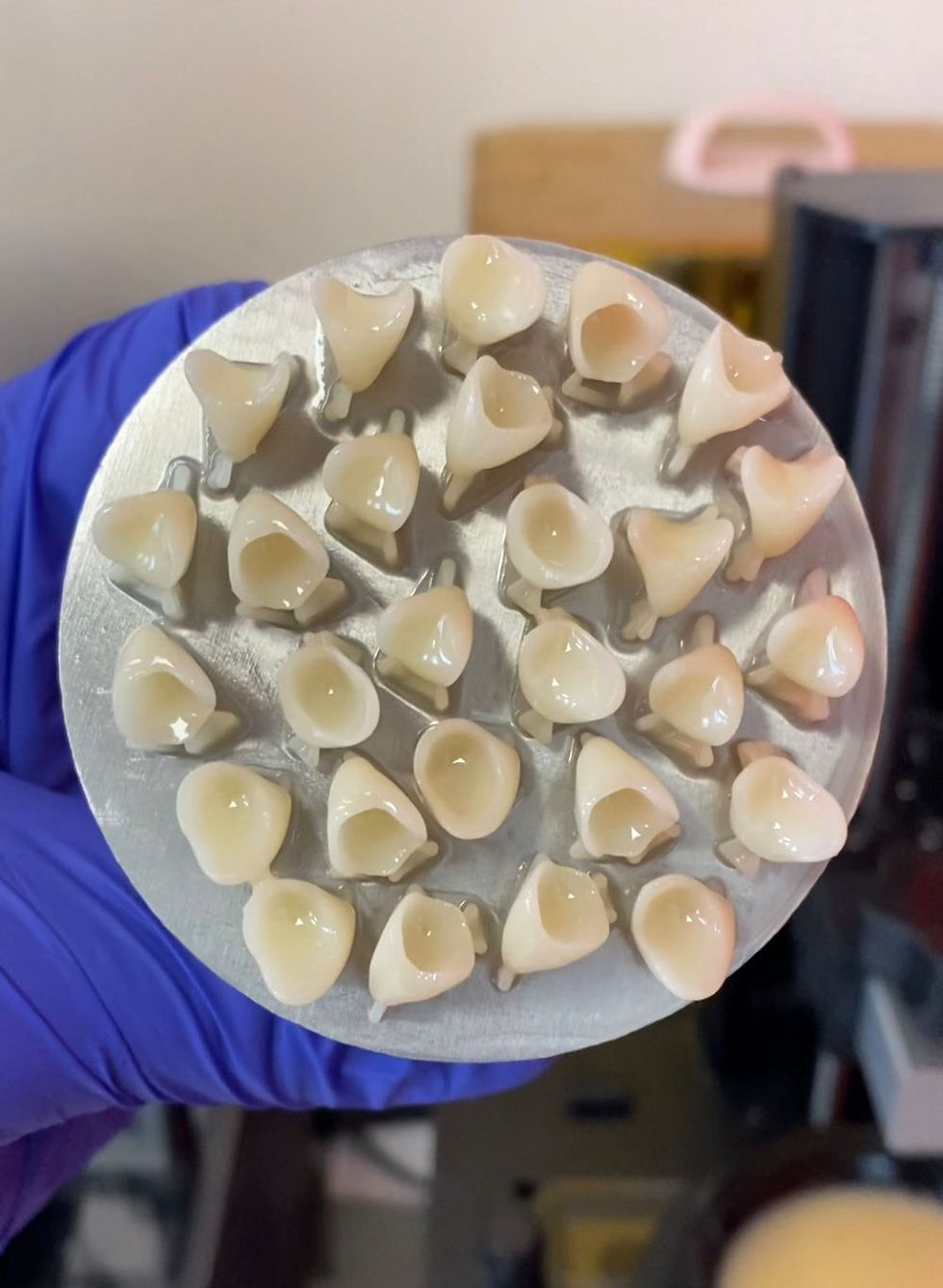
The Mini4Speed system mitigates this by focusing on surface area reduction. By using a smaller vat and a smaller build plate:
Minimized Surface Contact: Even if your model is complex, the physical constraints of the mini plate limit the total cross-sectional area per layer.
Reduced Peel Resistance: Less area means significantly less suction. This allows you to safely increase your Z-lift speed because the "peel" happens much faster and with less mechanical effort.
Increased Success Rates: With less force being exerted on the supports during the peel phase, you can print delicate features with less risk of them being ripped off the plate.

The Trade-off
While the Mini4Speed system drastically improves success rates and speed, it does limit your maximum print volume. However, for those printing high-detail miniatures, jewelry, or dental aligners, the trade-off is almost always worth it. You are trading volume for precision, reliability, and speed.
By respecting the physics of suction, you stop fighting against the mechanics of your machine and start working with them to produce flawless prints every time.
Tips for Optimizing Your Prints
Experiment with Layer Heights
Adjusting your layer heights can significantly impact the suction force. Thinner layers may reduce the overall adhesion, making it easier to peel.
Choose the Right Resin
Different resins have varying viscosities. Selecting a resin that complements your printing style can help manage suction forces effectively.
Monitor Your Supports
Ensure your supports are robust enough to handle the forces during the peel phase. Weak supports can lead to print failures.
Fine-Tune Your Settings
Take the time to fine-tune your printer settings. This includes adjusting lift speeds and exposure times to find the perfect balance for your specific prints.
Which aspect of the "peel force" calculation do you find most challenging when fine-tuning your printer settings?
By understanding and managing suction force, you can enhance your 3D printing experience. Embrace the Mini4Speed system and watch your prints transform!


Comments